


Chinese Jade: A Guide to History, Culture and Decorative Arts
Chinese jade has been central to art, craftsmanship and interior design for over 5,000 years. Known in China as yu, jade was a decorative stone, linked to ideas of virtue, moral strength and status. The stone was shaped into both practical and ceremonial objects, ranging from simple tools in ancient times to refined ornaments during later dynasties.
Across Chinese history, jade came to represent purity and continuity. Scholars and poets referred to it as a material of integrity, while rulers used it as a sign of power. Its importance in Chinese culture remains visible today, not only in museums but also in the continuing popularity of jade ornaments and carvings for modern interiors.
The Development of Jade in China

Jade in China falls broadly into two types, nephrite and jadeite. Nephrite, typically green or creamy white, has been used since Neolithic times. Jadeite, a harder stone often brighter in colour, was introduced much later through trade links in the 18th century. The arrival of jadeite widened the variety of colours available, adding vibrant greens and lavender shades to traditional designs.
Over centuries, jade was associated with rituals, personal adornment and domestic decoration. Pieces carved with a Chinese character often held meanings of luck, prosperity or long life. This association with symbolism explains why jade carvings remain popular gifts.
Jade in the Qing Dynasty and 18th Century
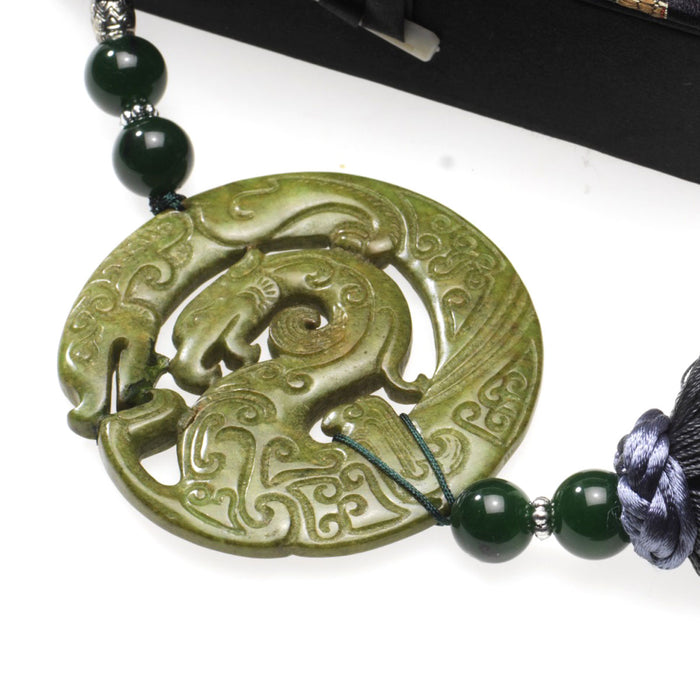
The Qing dynasty marked a high point in jade production. In the 18th century, workshops in Beijing and Suzhou produced pieces of exceptional quality for the imperial court. Craftsmen mastered techniques that allowed fine details, from delicate figurines to large-scale vases. Designs often drew on Chinese history and mythology, blending practical use with artistic value.
Green jade was particularly prized at this time. Its translucency and smooth finish made it ideal for carving into animals, floral motifs and abstract forms. Many pieces from this period survive in museum collections, where they show the technical skill of Qing artisans.
Jade Ornaments and Interior Design
Jade ornaments have long been used to add decorative detail to homes and places of worship. These range from small pendants or figurines to larger statues and vessels. In modern interiors, jade retains its place as a feature of Chinese style. Its solid form, subtle colours and associations with Chinese culture make it suitable for display on shelves, tables or as part of a collection of antiques.
At Shimu, jade ornaments are chosen both for their craftsmanship and for their ability to complement contemporary spaces. Pieces often feature traditional patterns or the Chinese character for fortune. These designs link modern decorative use with the heritage of jade in China.
Carving is at the heart of jade craftsmanship. The hardness of jade makes it challenging to work with, so each piece represents considerable time and skill. Chinese artisans developed methods to cut and polish jade into forms that highlight the stone’s natural qualities.
Figurines are a common example of jade carvings. These may represent animals, human figures or mythical creatures, all of which carry symbolic meaning in Chinese culture. For example, a jade carving of a dragon can symbolise strength and authority, while carvings of fish often represent abundance.
Here at Shimu, you’ll find ornaments and decorative pieces that reflect these traditions. Each piece shows the careful balance of form and function, designed to be both decorative and elegant.
Jade Statues and Larger Pieces
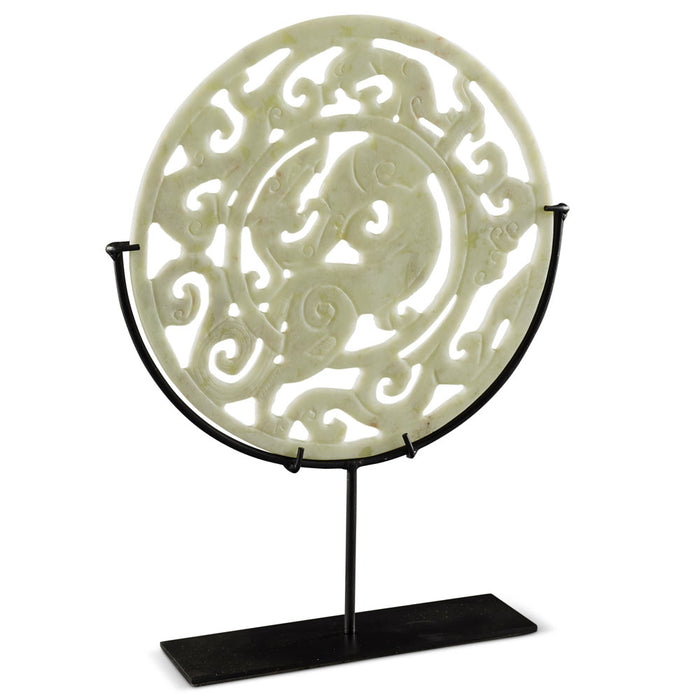
Beyond small ornaments, jade has also been shaped into statues and large decorative items. These pieces are often used as focal points in a room, adding a touch of heritage and eye-catching design. Historically, large jade statues might have been placed in temples or imperial palaces, where they served ceremonial as well as decorative purposes.
Shimu offers jade statues that echo this tradition but are suited to today’s interiors. Whether placed on a console, sideboard or as part of a display, they make wonderful conversation pieces with a connection to Chinese history.
Jade Tassels and Decorative Accessories
Jade tassels represent another form of jade ornament. Traditionally, tassels were attached to clothing, furniture or containers as a sign of status and refinement. When combined with jade, they added symbolic value. A small carved disc or bead of green jade at the head of a tassel could be inscribed with a Chinese character or decorated with traditional motifs.
Modern jade tassels can be used in interior decoration as accessories for cabinets, handles or keys. At Shimu, jade tassels are available in a range of colours and designs, each combining jade carving with silk or cotton cord. These items are practical decorative accents that continue a long tradition.
The lasting popularity of jade in China and abroad can be explained by its dual role as both an artistic material and a cultural symbol. Its place in Chinese history, from the earliest dynasties through the Qing dynasty, has made it a defining feature of Chinese decorative arts. At the same time, jade ornaments, figurines, statues and tassels continue to appeal to collectors and homeowners looking for unusual decorative pieces to add a touch of history to interiors.
For Shimu, the appeal lies in offering authentic pieces that respect tradition while fitting into modern interiors. Whether a small jade carving or a larger statue, each item connects customers with the story of jade in China.
Black Lacquer Furniture | Blue and White Ginger Jar | Chinese Artwork | Chinese Tableware | Buddha Head | Green Chinese Ginger Jar | Chinese Blue Lamp | Oriental Rugs | Oriental Cabinet | Chinese Sideboards | Mango Furniture | Chinese Furniture | Chinese Buddha | Blue Chinese Rug | Large Buddha Statue | Chinese Temple | Dragon Necklace | Second Hand Chinese Furniture | Chinese Coffee Tables | Chinese Medicine Cabinet | Chinese Armoire | Chinese Furniture Birmingham | Chinese Furniture Glasgow | Chinoiserie | Antique Stools | Vintage Chinese Furniture