

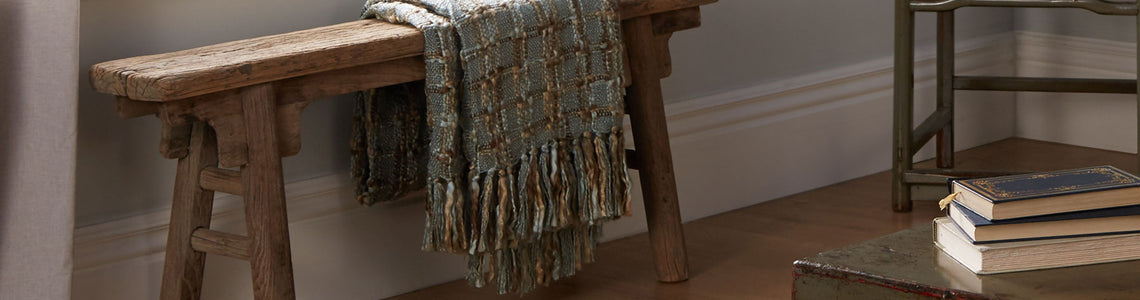
Rustic Stools from Shimu: Small Pieces with Real Character
A good rustic stool earns its place over time. It may begin beside a dressing table, move to a hallway, then end up beside a fireplace or under a console table. The best examples are simple, solid and easy to live with. They do not depend on fashion or decoration to justify their place in a room.
At Shimu, rustic stools are chosen for their practicality, craftsmanship and honest materials. Many are made from reclaimed elm wood using traditional joinery methods, while antique pieces carry the marks and patina that only come with decades of use. Shimu has specialised in Chinese furniture since 2003, offering handcrafted furniture and restored antiques sourced from across China.

Chinese Rustic Wooden Stools for Practical Homes
Chinese rustic wooden stools have always been straightforward pieces of furniture. Traditionally they were made for daily use in farmhouses, workshops and family homes rather than formal interiors. That simplicity is exactly what gives them their lasting appeal today.
The shape is usually compact, with clean lines and very little ornament. Some feature gently curved legs or a slightly worn seat polished smooth by years of use. Others are heavier in form, with thick reclaimed timbers that give a stronger country feel.
These stools work comfortably in British homes because they do not dominate a room. A small stool beside a bed or armchair can soften a space without adding unnecessary bulk. In kitchens, they provide useful occasional seating while bringing warmth to painted cabinetry and stone floors.
Shimu’s Chinese Stools & Benches collection includes traditional elm stools handmade using reclaimed wood. The natural grain and weathered finish suit both period homes and more modern interiors.
The Appeal of a Reclaimed Wooden Stool
A reclaimed wooden stool carries a different character from newly manufactured furniture. The timber already has age, movement and variation before the piece is even constructed. Old elm, in particular, develops a depth of colour and texture that newer wood rarely achieves.
Shimu’s furniture makers use reclaimed northern elm, a timber long associated with furniture production in northern China. The wood is seasoned over decades before being kiln dried and crafted into furniture using traditional methods.
This gives each stool a more settled appearance from the beginning. Slight variations in grain, colour and surface texture are part of the appeal rather than defects to be hidden away. Small marks, knots and uneven tones make the furniture feel established rather than freshly produced.
A reclaimed stool also works well as a balancing piece in a room. In homes where upholstery, painted finishes and modern surfaces can feel overly polished, reclaimed wood introduces a more relaxed and grounded feel. The Farmhouse Elm Furniture range is particularly well suited to this style, combining practical construction with the softer character of aged timber.
Choosing an Antique Rustic Stool
An antique rustic stool offers something slightly different again. Instead of recreated age, it carries genuine wear from decades of daily use. Old lacquer softens, edges round naturally and the timber develops a richer surface through handling and exposure.
Chinese antique stools were often made in small regional workshops using local woods and practical designs. Their proportions tend to be modest, which makes them surprisingly versatile in modern homes.
Some customers use antique stools as bedside tables or plant stands rather than seating. Others place them in hallways or bathrooms where a smaller piece of furniture is needed without introducing fitted cabinetry or heavier storage.
Shimu sources antique furniture through long-standing supplier relationships around Beijing and northern China, selecting pieces for both condition and practicality within contemporary interiors. The Antique Chinese Chairs & Stools collection changes regularly as individual pieces are restored and added.

Where Rustic Stools Work Best
One advantage of rustic stools is flexibility. They fit naturally into rooms where larger furniture may feel excessive. In bedrooms, a stool beside the bed gives a softer and less formal alternative to a cabinet or chest. In hallways, it provides a practical place for bags, books or shoes without narrowing the space. Kitchens and dining areas benefit from occasional extra seating that can easily be moved when needed.
Rustic stools also work well layered with larger Chinese furniture pieces. A weathered elm stool beside a Chinese sideboard or beneath a console table helps create a room that feels collected rather than overly coordinated.
Because the forms are generally simple, these stools mix comfortably with both antique and contemporary furniture.
Care and Long Term Use
Solid wood stools require very little maintenance when properly made. Dusting with a soft cloth and avoiding excessive heat or moisture is usually enough for day-to-day care.
Minor movement in reclaimed timber should be expected over time, particularly in centrally heated homes. This is part of the nature of solid wood furniture and contributes to its character rather than diminishing it.
Antique stools may show uneven surfaces, old repairs or variations in finish. These details are part of the piece’s history and should be appreciated rather than refinished away.
Nkuku Throws | Chinese Wood Panel | Chinese Wardrobes | Chinese Wardrobe Cabinet | Chinese Wall Art | Oriental Trunk | Oriental Stoneware | Chinese Storage Chests | Chinese Antique Dealers London Wooden Buddha Statues | Black Lacquer Furniture | Chinese Tableware